27 May 2026
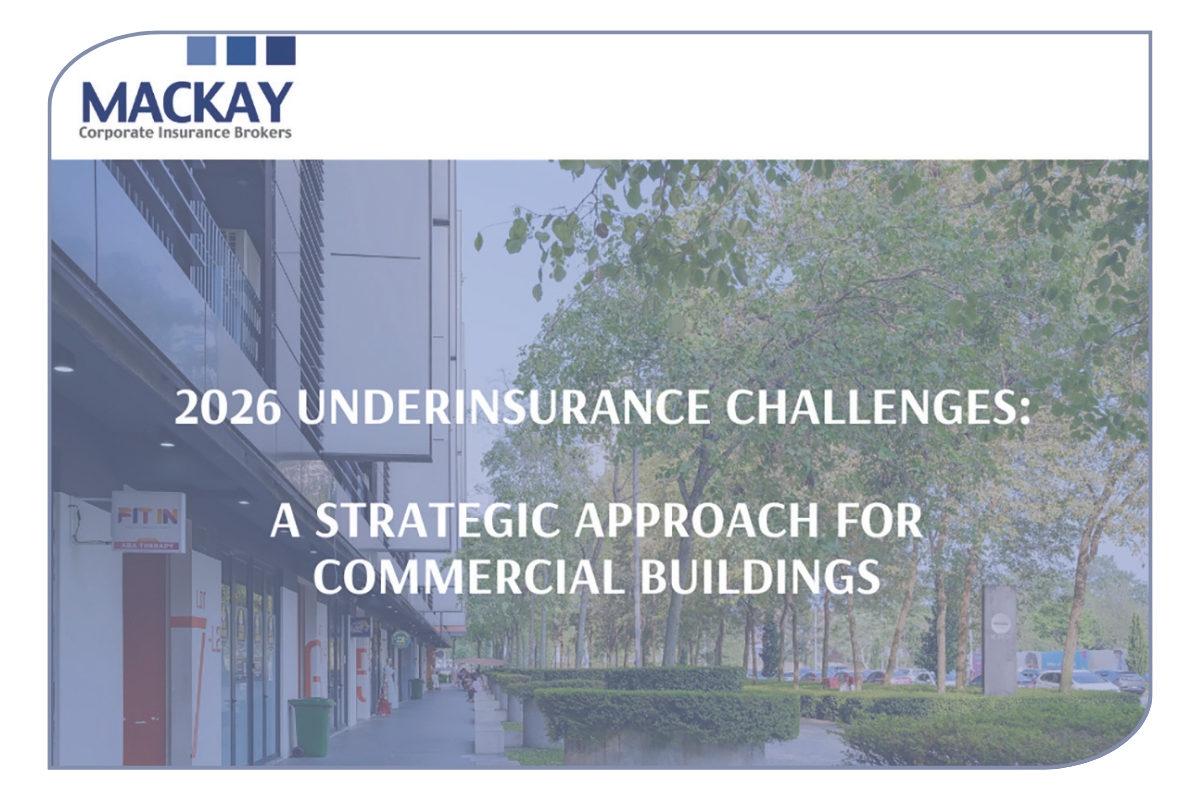
Underinsurance remains a significant concern for UK commercial property owners in 2026, driven by factors such as rising construction costs and increasing climate related risks. Without accurate and up-to-date valuations, businesses may face substantial financial shortfalls when making a claim.
Why Underinsurance Is Increasing
Construction costs continue to rise across the UK. According to industry data, building material prices increased in the year leading up to early 2026, placing upward pressure on rebuild costs. If sums insured are not regularly updated, policies may no longer reflect the true cost of rebuilding, increasing the risk of uncovered losses.
Regulatory developments, such as the Building Safety Act and evolving energy efficiency standards, are also increasing the complexity and cost of rebuilding for certain properties. Furthermore, many commercial buildings include specialist features, bespoke layouts or historic elements that may not be fully reflected in standard valuations.
Compounding these issues, climate change is contributing to more frequent and severe weather events, increasing the likelihood of damage and the cost of repairs.
The Hidden Risk of the Average Clause
Underinsurance does not impact only total losses. Most commercial property policies include an “average” clause, meaning that if a property is underinsured, any claim payout may be reduced proportionately, even for partial losses.
Despite this risk, many organisations fail to regularly review their sums insured. Industry research suggests that a majority of businesses overlook routine property valuation updates, leaving them exposed.
Risk Mitigation Strategies
Organisations can take several steps to reduce the risk of underinsurance, including the following:
Looking Ahead
Underinsurance is likely to remain a key concern as construction costs, labour shortages and supply chain pressures continue to shift rebuild values. At the same time, evolving building safety and energy efficiency requirements may increase reinstatement costs, particularly for older or complex properties.
Climate-related risks are also intensifying, with more frequent severe weather events driving higher repair costs and longer recovery times.
In this environment, organisations should take a proactive approach that includes regularly reviewing valuations, accounting for emerging risks, and working closely with brokers and risk advisers to maintain appropriate levels of cover.
For more risk management guidance, contact MacKay Corporate Insurance Brokers today on info@mcib.net or 0141 739 5506.